
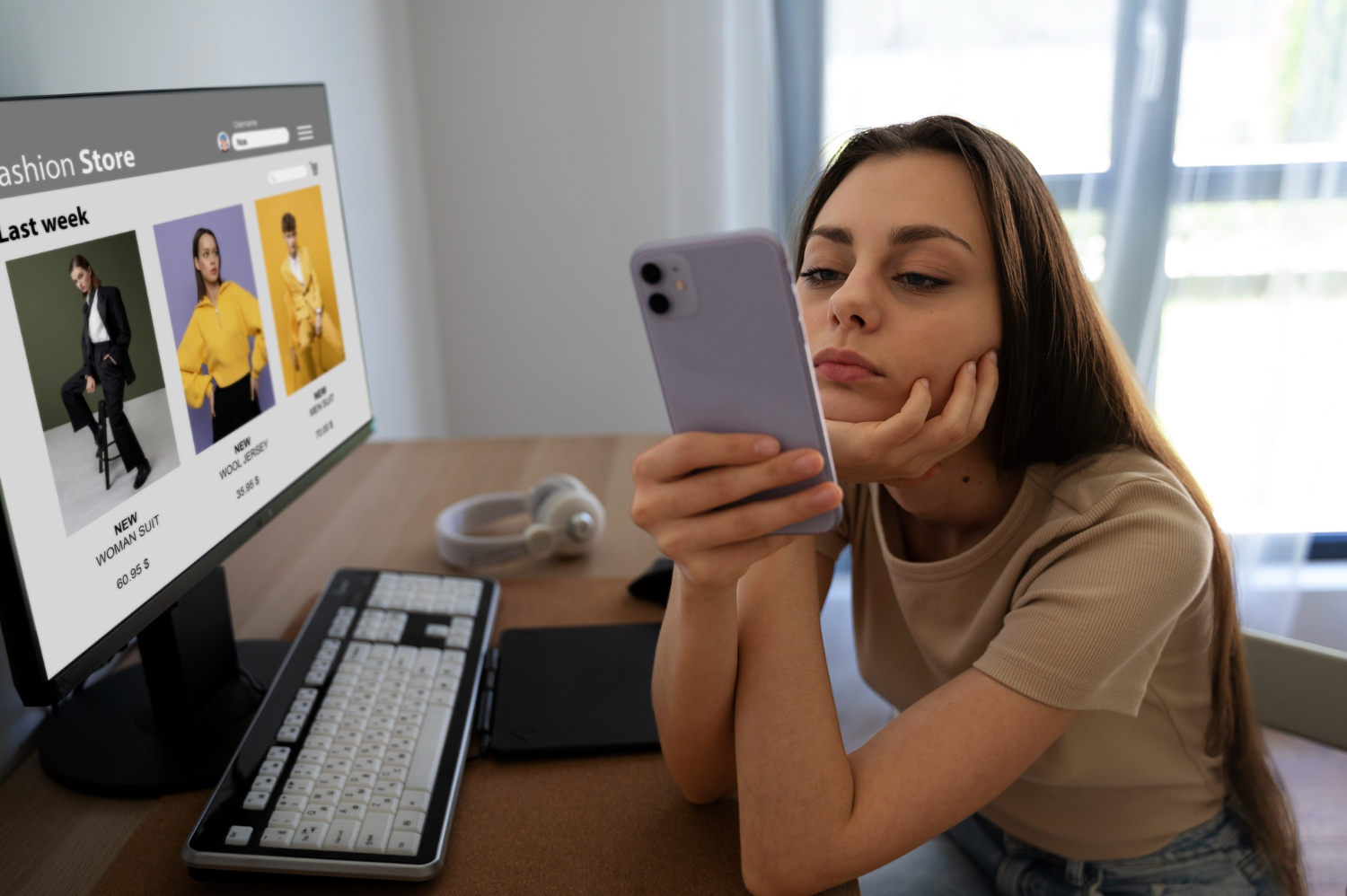
Shopping apps in 2026 are designed to make purchasing effortless, and that’s exactly why overspending happens. One-tap checkout, saved cards, “only 2 left” pressure, personalized feeds, and bundles that quietly include subscriptions can turn a simple buy into an expensive habit. The trick isn’t to stop using shopping apps; it’s to use them with a system. Smarter shopping means you compare prices quickly without opening ten tabs, you use filters that match your real requirements instead of getting pulled into shiny extras, and you set limits that prevent impulse buys from becoming regret. The biggest hidden cost is not only money, but also clutter—carts full of “maybe later” items, duplicate wishlists, and subscription renewals that start as “free trials.” The lifehack is building a workflow that slows you down at the right moment while keeping everything else fast. You do the fast research early, you reduce decision fatigue with a filter template, and you add friction only at checkout, where it prevents accidental subscriptions and surprise charges. When you set this up once, your shopping becomes more intentional without feeling restrictive.
Price comparisons that are actually useful: benchmark fast, watch for fake discounts, and make the “same product” truly comparable

The first step is understanding what a fair price looks like. The lifehack is using a quick benchmark rather than trusting the first app’s “discount” label. Many apps show inflated list prices or time-limited deals that reset constantly. A simple comparison habit protects you: check at least one alternative source, look at recent price history if your region’s apps provide it, and compare total cost including shipping and returns, not just sticker price. Also make “same product” truly comparable. Many items have multiple versions that look identical in listings but differ in storage, warranty, region, or included accessories. If you compare a bundle to a bare product, you’ll misread value. The lifehack is to pin down the exact model number, capacity, and included items before you compare. If you can’t confirm those details, you’re not comparing prices—you’re comparing marketing. Another practical move is setting alerts rather than hunting. If you aren’t in a rush, price alerts shift the power back to you. You choose your target price and let the app notify you, instead of getting pulled into daily browsing. This also reduces impulse buys driven by artificial urgency. Finally, watch out for “subscription disguised as savings,” like subscribe-and-save offers or membership-only pricing that auto-renews. Cheap today can become expensive next month. Real savings are transparent and stable, and a good comparison habit reveals when a deal is real versus when it’s just a clever label.
Filters that reduce decision fatigue: define your “must-haves,” cut noise, and stop the infinite scroll trap
Filters are the most underrated spending tool because they reduce the number of tempting options you see. The lifehack is defining your must-haves before you open the app. If you don’t decide first, the app decides for you with ads and sponsored listings. Build a simple filter template in your head for categories you buy often. For electronics, that might mean specific size, compatibility, warranty, and seller rating. For home items, it might mean dimensions, material, and return policy. When you apply filters early, you prevent the infinite scroll trap where you keep browsing because nothing feels “perfect.” Another big lifehack is sorting by what you actually value, not what the app pushes. Some platforms default to “recommended,” which is often influenced by promotions. Switching to a sort order like best rating, best value, or lowest total price can immediately change what you see. Also use seller filters intelligently. Buying from an official store or a highly rated seller can reduce risk of counterfeit or gray-market goods, especially for accessories like chargers and cables. And don’t ignore return filters. A generous return policy is often worth more than a tiny discount because it reduces the risk of keeping something you don’t truly want. Filters are not about being picky; they’re about preventing your attention from being hijacked. With the right filters, you see fewer items, choose faster, and buy fewer things you’ll regret.
Limits and subscription defenses: checkout friction, cart cleanup, and reminders that prevent “accidental renewals”
The final lifehack is adding control at the exact point where overspending happens: checkout. Most people try to “use willpower” while browsing, but browsing is engineered to defeat willpower. Instead, set limits and reminders that create a pause. One practical method is keeping a spending category or budget note inside your finance or banking app so you can see recent shopping totals quickly before buying again. If your payment method allows alerts or per-merchant limits, use them for online shopping. A small limit can prevent a surprise charge from being large, and alerts make renewals visible immediately. Then handle subscriptions deliberately. Many shopping apps and services include premium trials, delivery memberships, or add-ons that renew automatically. The lifehack is treating any free trial like a subscription you will cancel unless it proves value. Disable auto-renew where possible, or set a reminder a few days before renewal. Another crucial habit is cart cleanup. Carts are designed to hold your intent and turn it into a future purchase when you’re tired or impulsive. Clear the cart weekly and move true “maybe later” items into a wishlist with a note like “buy only if price drops” or “buy only if needed for X.” This turns the cart from a pressure tool into a planning tool. Finally, build a quick pre-checkout checklist: confirm total price with shipping, confirm return window, confirm whether you’re starting any membership, and confirm you actually want the item now rather than “someday.” Smarter shopping in 2026 isn’t about buying nothing. It’s about buying with clarity, using comparisons and filters to cut noise, and using limits and reminders to prevent sneaky subscriptions from turning convenience into a leak.